What Is Calm Decision-Making at Work?
(And Why It Matters More Than Ever)
Calm decision-making at work refers to the ability to make clear, rational, and balanced decisions while under pressure, stress, or time constraints.
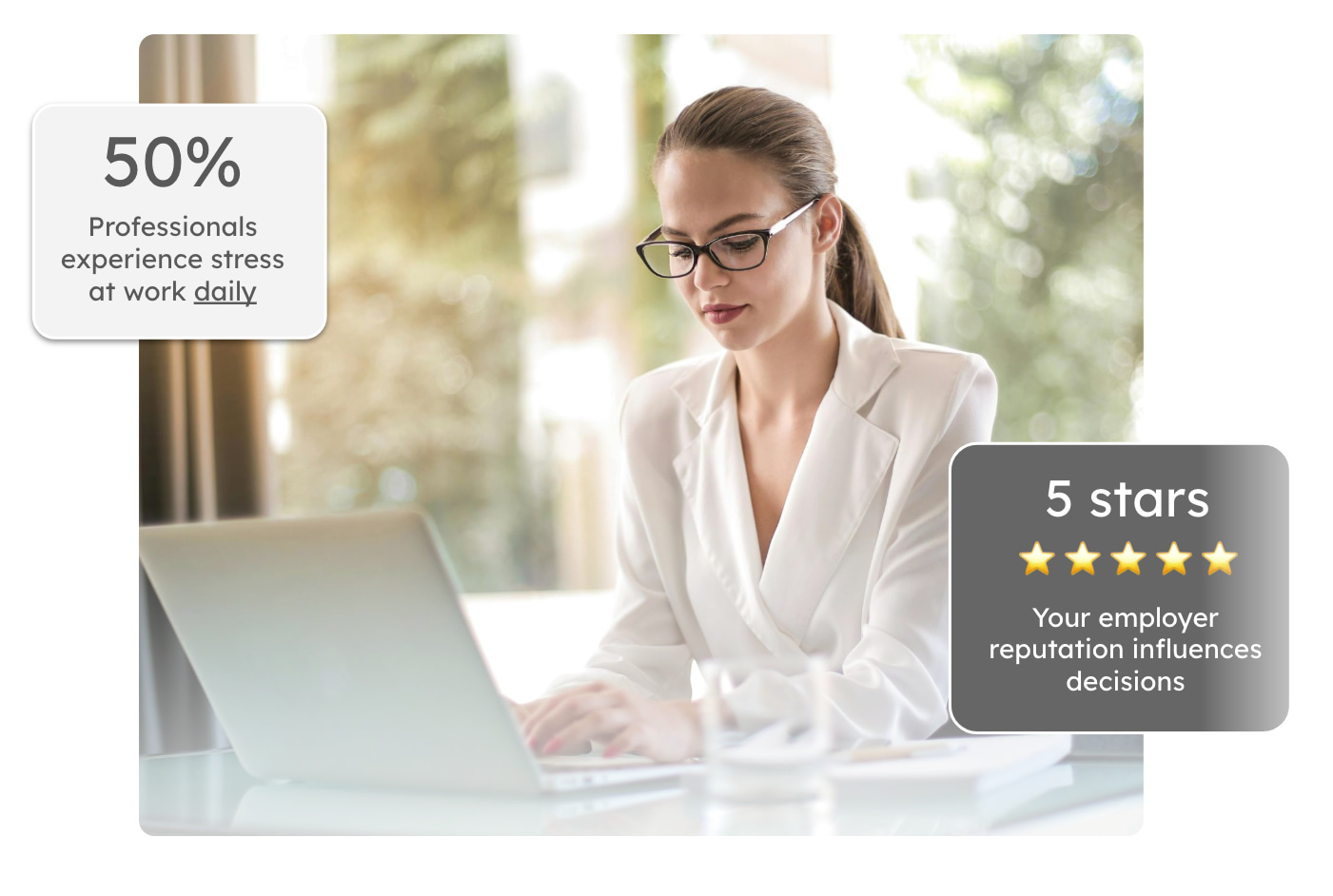
In modern workplaces, decisions are often made in environments characterized by urgency, overload, and constant interruption. Under these conditions, stress directly affects cognitive performance: narrowing attention, increasing emotional reactivity, and reducing long-term thinking.

photo by Yan Krukau on pexels.com
How stress impacts decisions at work
Calm decision-making is not about removing pressure. It is about regulating the nervous system enough to think clearly despite pressure.
When stress levels rise:
- The brain shifts toward threat-based thinking
- Short-term fixes feel more attractive than strategic solutions
- Emotional reactions override analytical reasoning
This is why stressed leaders are more likely to:
- Avoid difficult decisions
- Overreact in conflicts
- Default to habitual or biased choices
Calm decision-making is a skill, not a personality trait
Contrary to popular belief, calm decision-making is not about being naturally calm. It is a trainable skill based on physiological regulation.
Short, targeted interventions can restore cognitive clarity in minutes, sometimes seconds, if applied at the right moment.

photo by calmatwork.app
How calm@work supports calm decision-making
calm@work is designed specifically to support calm decision-making in real work situations.
Unlike meditation or mindfulness apps that require long sessions outside of work, calm@work provides:
+ Instant, science-based calm interventions
+ Tools designed for use during meetings, before decisions, or in moments of pressure
+ Techniques that integrate directly into the workday
calm@work helps leaders and teams stay calm when decisions actually happen, not just during scheduled wellness time.
Are you a Growing Company?
Invest in Employee Mental Health. Boost Productivity and ROI.