USE CASE
How a European Job Board Improved Decision Quality Without Slowing Down
A European job board operates in a fast-moving environment where accuracy matters at every step. Jobs are published continuously. Data is processed in real time. Customer requests need quick responses. Employers expect reliability.
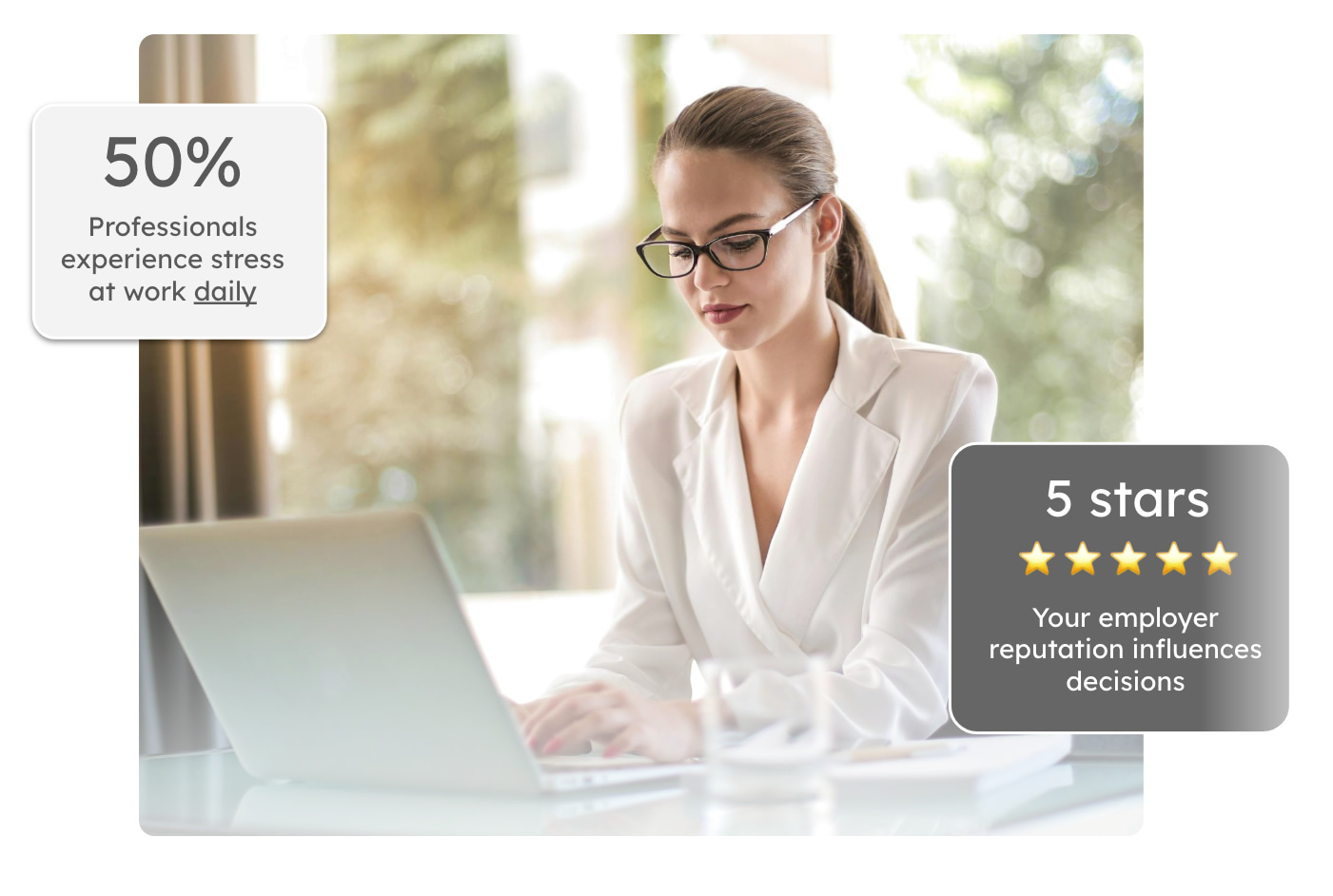
On the surface, everything looks digital and automated. But behind every listing approval, customer interaction, moderation decision, and campaign adjustment, there are people making fast judgments under pressure. And that pressure creates risk.
- A distracted support agent can mis-handle an employer request.
- A fatigued moderator can approve the wrong listing.
- A rushed campaign manager can miss an error in targeting or budget settings.
- A stressed operations lead can make reactive decisions that affect platform performance.
Each mistake may seem small.
Across a platform handling thousands of listings and constant employer interactions, even small mistakes start to compound: incorrect job ads slip through, employers grow dissatisfied, applicant trust erodes, ad budgets are wasted, and teams get pulled into endless firefighting. The company had already refined its workflows and tools, yet one variable remained hard to stabilize: human performance under stress .

photo by Yan Krukov on pexels.com
The winning strategy
Instead of treating stress as a wellness topic, the platform was introduced as a performance support tool, helping employees regulate pressure during the workday. This is where calm@work made the difference.
Support teams used short resets before handling sensitive employer requests. Moderators paused briefly before reviewing listings in high-volume periods. Campaign managers used one-minute interventions before launching or adjusting paid campaigns. Operations managers reset before making urgent decisions.
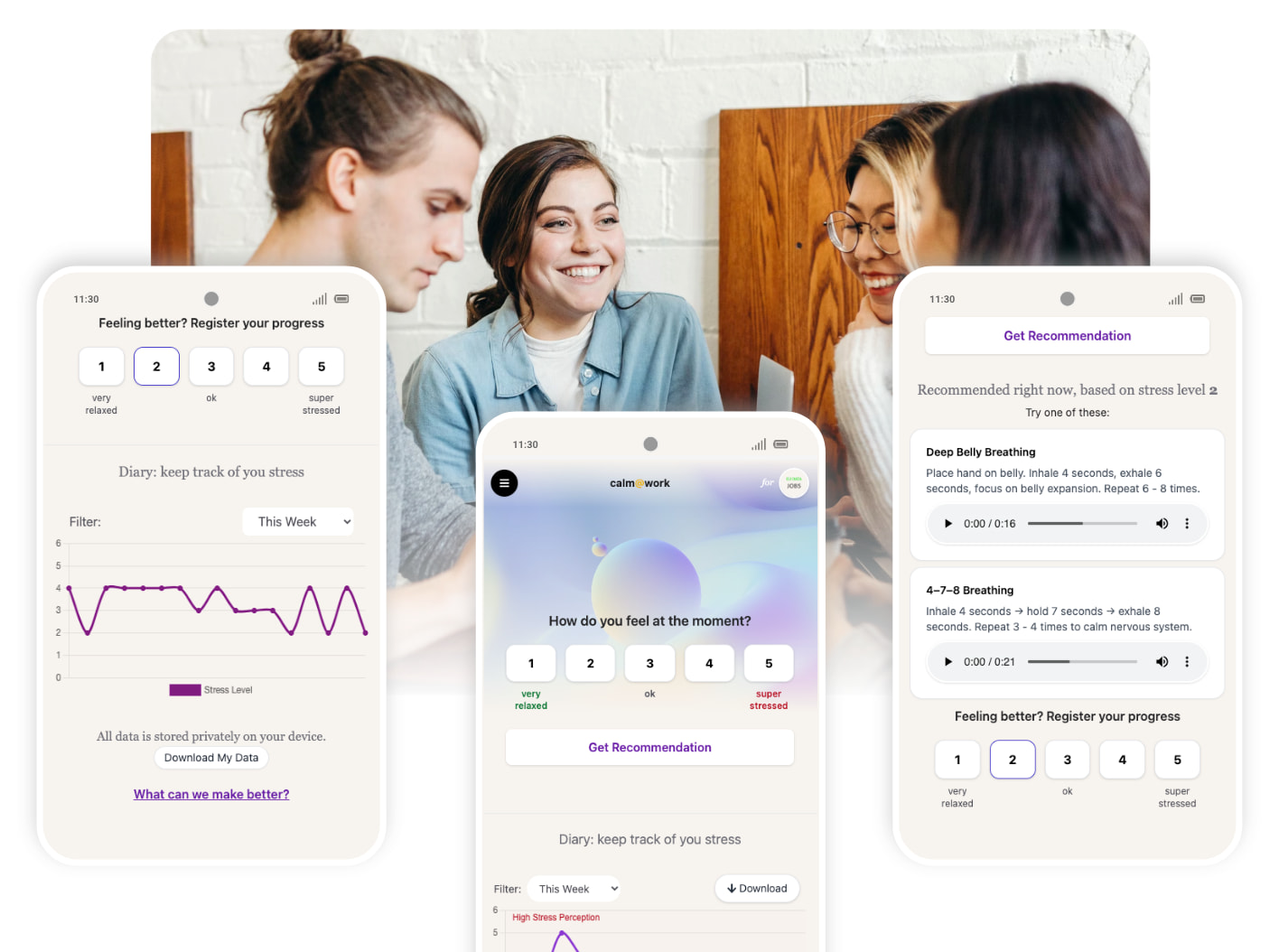
photo by calmatwork.app
These interventions were brief, simple, and embedded directly into existing workflows.
No disruption.
No loss of productivity.
Just a better mental state before important actions.
The result was a quiet but meaningful shift: fewer avoidable mistakes, clearer responses, more accurate reviews and decisions that felt less reactive and more deliberate. Operational quality improved not through new systems, but through better moments. Because in a digital marketplace, errors rarely come from a lack of skill; they emerge when skilled people operate under unmanaged pressure. By helping teams regain focus exactly when it matters, calm@work strengthened reliability at its most critical point, the moment of decision, where every better choice helps protect trust for both employers and candidates.
Are you a Growing Company?
Invest in Employee Mental Health. Boost Productivity and ROI.