Why Meditation Apps Often Fail at Work
(And What Works Instead)
Meditation apps have done a great job normalizing mindfulness. They help people relax, unwind, and disconnect. But when it comes to the modern workplace, especially high-pressure environments, they often fall short.
The reason is simple: most workplace stress doesn’t happen in calm, predictable moments.
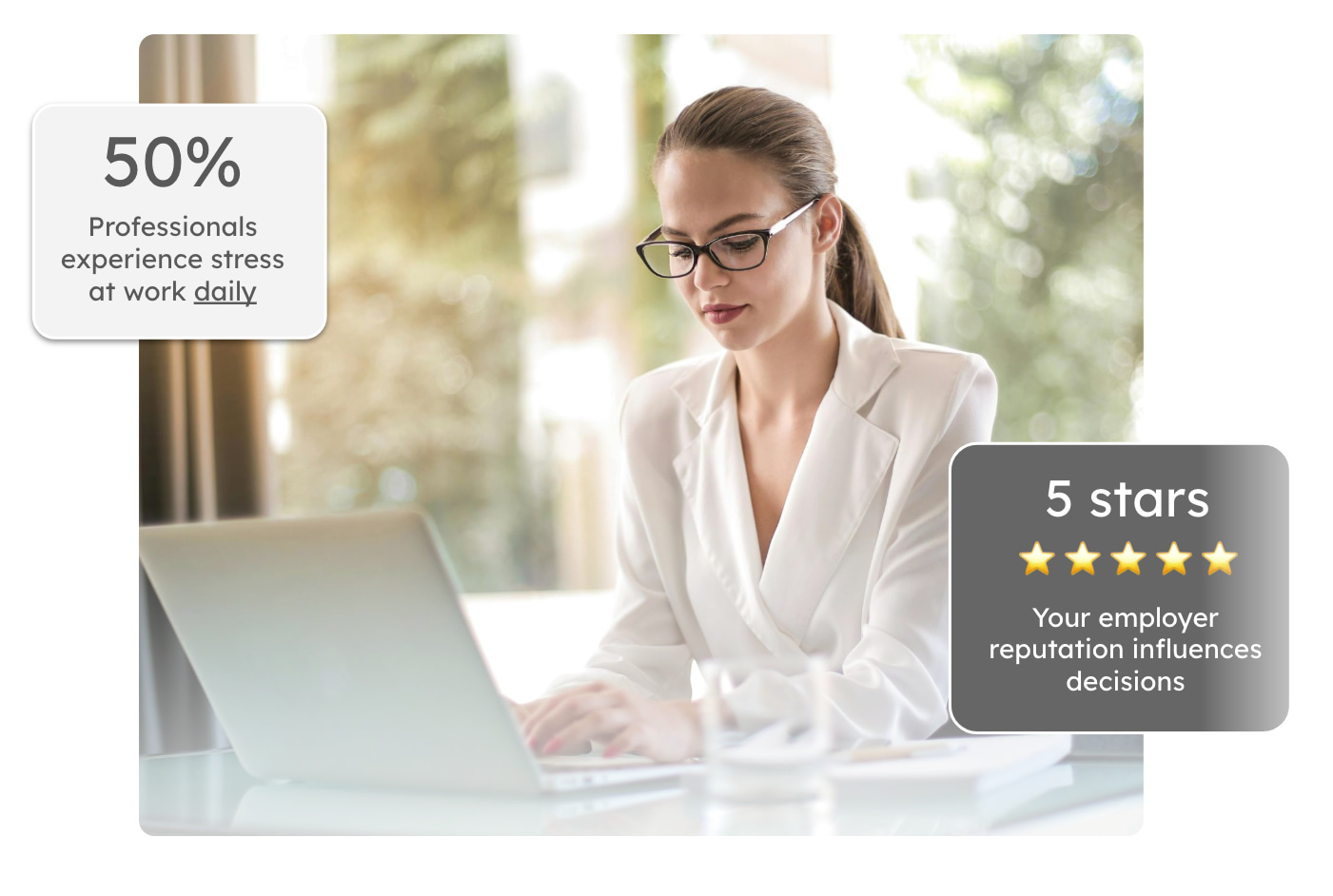
Stress happens mid-meeting, when tensions rise. Right before a difficult conversation. During conflict, overload, or uncertainty. And most critically, when decisions must be made quickly. In those moments, there is no quiet room, no spare time, and no mental space to step away and meditate.

photo by Ray Lei on pexels.com
The hidden assumption behind most meditation apps
Traditional meditation apps are built around a few core assumptions. They assume users have:
- Time to pause
- Privacy to disconnect
- Mental availability to reflect
In reality, most professionals have none of these when stress actually hits.
Instead of stress appearing neatly at the beginning or end of the day, it shows up inside the workflow, between emails, during negotiations, or while managing competing priorities. This is where the gap between mindfulness theory and real work behavior becomes obvious.
The gap between mindfulness practice and real work
Most meditation apps focus on:
- Long-form sessions
- Calm, controlled environments
- Detachment from tasks and responsibilities
These practices are valuable for recovery and self-awareness. But at work, they often feel impractical.
As a result:
- Employees rarely use meditation tools in the moments they need them most
- Leaders struggle to apply mindfulness principles when under real pressure
- Stress regulation becomes something you do after work, not during it
The outcome is a wellness solution that looks good in theory, but remains disconnected from day-to-day decision-making.
What works better: in-the-moment calm interventions
What professionals actually need are in-the-moment calm interventions. These are short, practical techniques designed to work inside real situations—not outside of them. Their goal is not prolonged reflection, but fast regulation.
Effective in-the-moment interventions help people:
- Regulate stress responses quickly
- Restore cognitive clarity
- Stay engaged without leaving the workflow
Instead of asking someone to pause their day, these techniques integrate directly into it. They are designed for meetings, conversations, and moments of pressure—exactly where stress shows up.

photo by calmatwork.app
How calm@work approaches calm differently
calm@work was built specifically to close this gap between mindfulness and work reality.
It is not a meditation app. Instead, calm@work focuses on calm as a functional skill for modern professionals.
We offer:
- Short, actionable calm techniques that work in few minutes
- Tools designed for use during real work situations
- Support for clear thinking and decision-making under pressure
By prioritizing immediacy and applicability, calm@work makes calm accessible where traditional mindfulness tools often fail—inside the fast, complex, and demanding environment of modern work.
Calm doesn’t need more silence.
It needs better timing.
And that’s where the future of workplace wellbeing is headed.
Are you a Growing Company?
Invest in Employee Mental Health. Boost Productivity and ROI.